
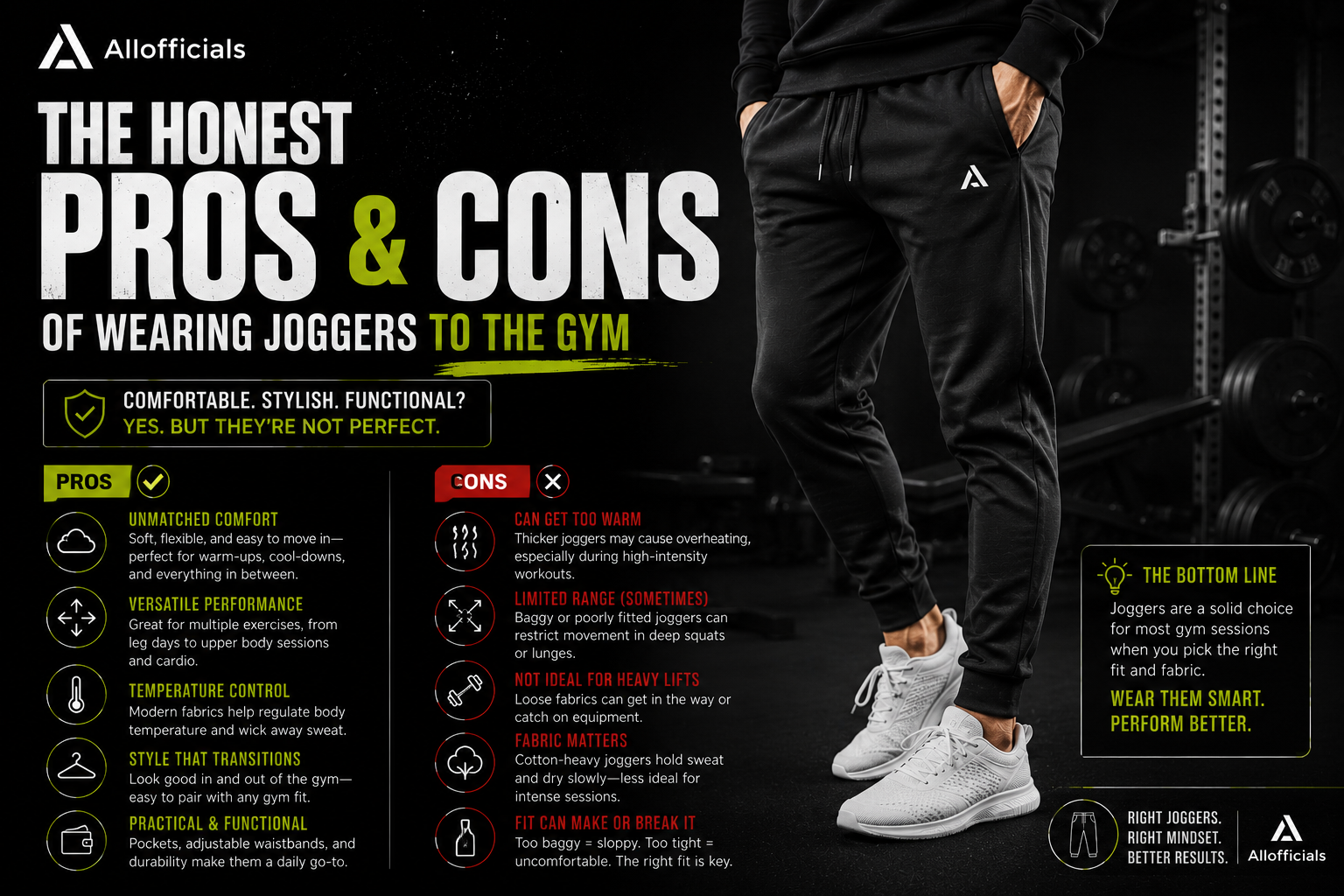
The Case for Joggers: Why People Keep Coming Back to Them
Gym joggers have become a common sight in Indian fitness spaces, and there is a reason they keep showing up. They solve a simple problem: people want workout clothing that works beyond just one activity. A good pair can handle training, travelling, quick errands, and casual wear without needing an outfit change.
The biggest advantage is comfort. Unlike some traditional track pants that feel loose or heavy, modern joggers are usually designed with a more controlled fit. The fabric moves with the body, the waistband stays secure, and the overall shape feels more suited for active movement.
For someone training early mornings in Delhi winters or spending time in air-conditioned gyms, joggers can feel much more practical than shorts. They provide coverage without feeling like you are wearing something oversized.
Another reason people prefer joggers is the style factor. Fitness clothing has become part of everyday fashion now. A clean pair of men's joggers can easily work with a simple t-shirt after the workout. This matters because many people do not go directly from gym to home anymore.
The versatility also makes them appealing for buyers who think carefully before spending money. Instead of buying separate clothes for training and casual use, many people prefer pieces that fit multiple situations.
Brands like AllOfficials have leaned into this shift by creating activewear that matches real routines rather than only focusing on gym sessions. The best workout clothes usually fit into daily life naturally.
The Honest Downsides Nobody Likes to Mention
The positives are clear, but joggers are not perfect for every person or every workout. The biggest complaint is heat. In cities with high temperatures and humidity, wearing full-length joggers during intense sessions can feel uncomfortable compared to shorts.
Someone training outdoors in summer or doing high-intensity cardio may notice their legs feeling warmer faster. Breathable fabric helps, but there is still more coverage than a pair of shorts.
Another issue comes down to movement. Some joggers, especially looser styles, can feel slightly bulky during exercises where your legs need complete freedom. Deep squats, stretching, and floor exercises can become annoying if extra fabric keeps bunching.
Ankle cuffs are another small detail that can become a problem. A well-designed cuff keeps the joggers in place, but a poorly fitted one may ride up while running or moving around. It is one of those things you might not notice until you are actually using them.
That said, these issues usually depend on choosing the wrong style rather than joggers being unsuitable overall. A lightweight pair works differently from a heavy winter-style option.
Pro: The One Feature That Actually Makes a Difference
If there is one feature that separates good joggers from average ones, it is the way they handle movement. The right taper and ankle design can completely change how comfortable a pair feels during training.
A good ankle cuff keeps fabric controlled without squeezing the leg. This matters during exercises because you are not constantly adjusting your clothes between sets. The joggers stay where they should, and your attention stays on the workout.
Another underrated benefit is pocket design. Many gym users carry phones, keys, cards, or small essentials. A secure pocket prevents the constant worry of things falling out during walking or commuting.
I have seen people ignore pockets while shopping, then realise later that badly placed pockets are frustrating. If they sit too low, they pull on the fabric. If they are too shallow, your phone becomes a problem. Small details like these decide whether joggers become your regular choice.
Performance joggers with thoughtful construction usually feel better because every part has a purpose. The waistband, cuffs, and pockets work together instead of just being added features.
Con: When Joggers Aren't the Right Call
There are situations where joggers simply are not the best option. If your workout is mostly outdoor running in hot weather, shorts will probably feel better. More airflow around the legs can make a noticeable difference, especially during longer sessions.
Cycling, certain mobility routines, and summer outdoor training may also feel better with lighter clothing. Not every workout requires full-leg coverage, and forcing joggers into every situation does not make much sense.
Another thing worth considering is personal preference. Some people simply do not like the feeling of fabric around their legs while training. Even high-quality joggers can feel distracting if you prefer a more open feel.
Fit also plays a major role. A pair that is too loose may look untidy and move around too much. A pair that is too tight can restrict movement. Finding the middle ground is where most people get the best experience.
For Indian buyers comparing options, price also matters. A pair priced around a few hundred rupees may seem attractive, but if the fabric loses shape quickly, the lower cost does not always mean better value.
Where to Look If the Cons Bother You
If heat, movement, or fit concerns are holding you back, the solution is usually not avoiding joggers completely. It is choosing a style that matches your routine.
Look for lighter fabrics, better ventilation, and a fit that allows movement. A tapered design often works well for gym training because it gives structure without excessive looseness.
A practical gym wardrobe does not need dozens of pieces. A few reliable options can cover different situations. You might keep joggers for weight training and cooler sessions, while using shorts for outdoor summer workouts.
The Indian fitness audience in 2026 is much more review-focused. People compare materials, check experiences from other users, and look beyond photos before buying. That approach usually leads to better choices.
The right pair should disappear once you start training. If you constantly notice the clothing, something about the fit or design probably is not working.
Frequently Asked Questions
Q: What's the biggest downside of wearing joggers to the gym?
A: In hot or humid conditions, joggers trap more heat around the legs compared to shorts, which can make high-intensity sessions feel less comfortable, especially without breathable fabric or mesh panels.
Q: Do gym joggers look bulky during certain exercises?
A: Looser-fit joggers can look and feel bulky during movements like deep squats or floor work, where the extra fabric bunches up. A tapered or slim-fit jogger generally avoids this issue.
Q: Is there a workaround for joggers feeling too warm in summer?
A: Lightweight joggers with mesh ventilation panels behind the knees help, but for very hot conditions or outdoor summer training, many people simply switch to shorts and keep joggers for cooler sessions or layering.
Final Thoughts
Joggers are popular because they solve real problems, but they are not magic workout gear. They work best when the fabric, fit, and design match the way you train.
The biggest mistake is choosing based only on appearance. A pair might look great online, but daily comfort comes from details like breathability, stretch, and construction. Once those things are right, joggers become one of the easiest pieces to keep in rotation.